
"Empowering Excellence, Uniting Expertise: Igniting Tomorrow's Fire Practitioners"
FIRE PRACTITIONER: REQUEST A TASK BOOK
POSITION TASK BOOKS
NWCG Task Books document required training, experience, and performance for wildland fire positions, guiding firefighters through standardized competencies needed for qualification, certification, and advancement within the NWCG Incident Qualification System.
WHO CAN INITIATE A TASK BOOK
For Healthy Forest Alliance members, NWCG Task Books may be initiated by an HFA Training Officer or authorized designee, ensuring proper documentation, oversight, and compliance with NWCG qualification and incident certification requirements.
AGENCY CERTIFICATION
For Healthy Forest Alliance members, agency certification is completed by an authorized HFA Training Officer, verifying task book completion, qualifications, and compliance with NWCG standards before issuance of an Incident Qualification Card.
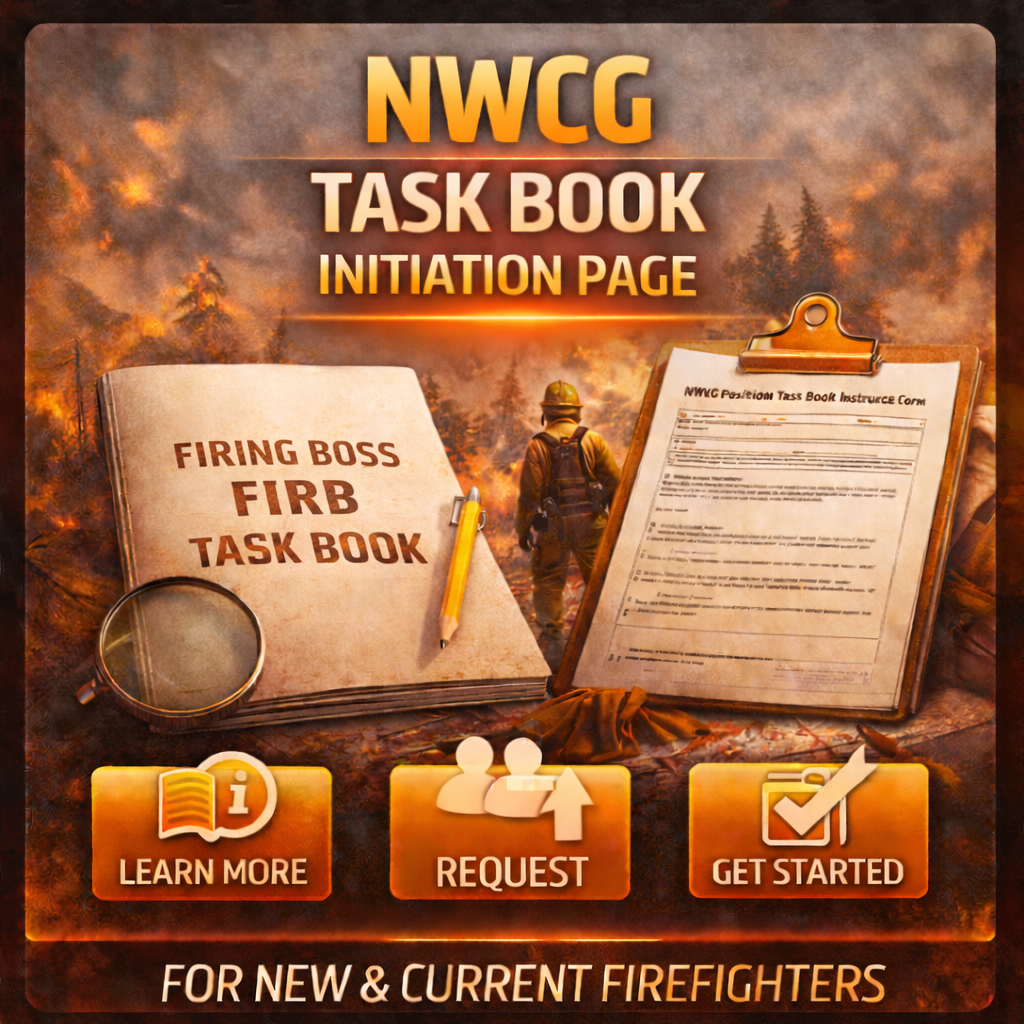
NWCG Task Book Initiation & Fire Training Officer Program
The NWCG Task Book Initiation and Fire Training Officer (FTO) Program is a members-only service designed to help Fire Practitioner Members start, manage, and successfully complete NWCG Position Task Books. Through this program, the Healthy Forest Alliance serves as your Training Officer, ensuring task books are properly initiated, documented, and aligned with NWCG standards.
Eligible members can request initiation of NWCG Task Books such as FFT2, FFT1, ENGB, Firing Boss, FAL3, and other operational positions. Our FTO team supports you by verifying prerequisites, tracking progress, reviewing experience entries, and providing guidance on appropriate trainee assignments during prescribed fire projects, wildfire incidents, and trainings.
This program is ideal for practitioners working with PBAs, nonprofits, private landowners, or agencies that do not have an internal training officer. By centralizing oversight and documentation, the program helps ensure credibility, compliance, and a clear pathway for career advancement within the National Wildfire Coordinating Group qualification system.
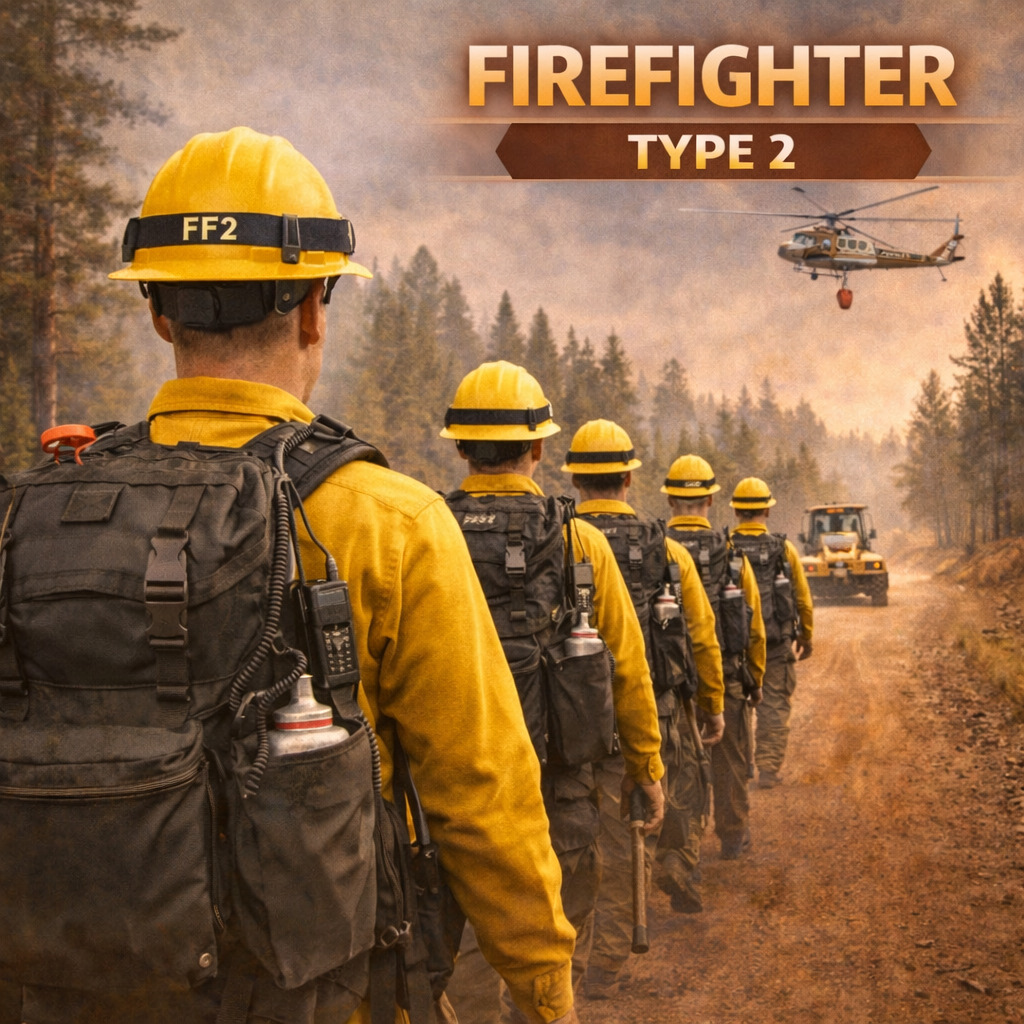
Firefighter Type 2 (FFT2 – Crewmember)
NWCG Wildland Fire Position
Qualification Requirements
Required Training
Basic Firefighter Training includes:
- ICS-100 – Introduction to the Incident Command System
- L-180 – Human Factors in the Wildland Fire Service
- S-130 – Firefighter Training
- S-190 – Introduction to Wildland Fire Behavior
- IS-700 – National Incident Management System (NIMS): An Introduction
- RT-130 – Wildland Fire Safety Training Annual Refresher (WFSTAR)*
* RT-130 is not required during the first year as an FFT2 but is required for all subsequent years.
Note: For the FFT2 position, satisfactory completion of required training meets the position qualification requirements.
Required Experience
- None
Physical Fitness Level
- Arduous
Duties require above-average endurance and superior conditioning, including lifting over 50 pounds and sustained work under adverse environmental conditions.
Currency Relationships
Positions That Maintain Currency for FFT2
- Advanced Faller (FAL1)
- Intermediate Faller (FAL2)
- Basic Faller (FAL3)
- Firefighter Type 1 (FFT1)
- Fire Effects Monitor (FEMO)
- Helicopter Crewmember (HECM)
- Division/Group Supervisor (DIVS)
- Incident Commander (ICT5, ICT4, ICT3)
- Operations Section Chief Type 3 – Wildland Fire (OPS3)
- Prescribed Fire Burn Boss (RXB1, RXB2)
- Single Resource Boss (CRWB, FIRB, ENGB, FELB, HMGB, HEQB)
- Strike Team Leader (STCR, STEN, STEQ)
- Structure Protection Specialist (STPS)
- Task Force Leader (TFLD)
Positions Maintained by FFT2
- None
Recommended Supporting Training
- None
FIREFIGHTER TYPE 2 FFT2
View your current membership status, benefits, and expiration dates in one place. Upgrading your account unlocks additional discounts, expanded training opportunities, task book initiation, equipment access, and exclusive member-only resources—quick, secure, and instant.
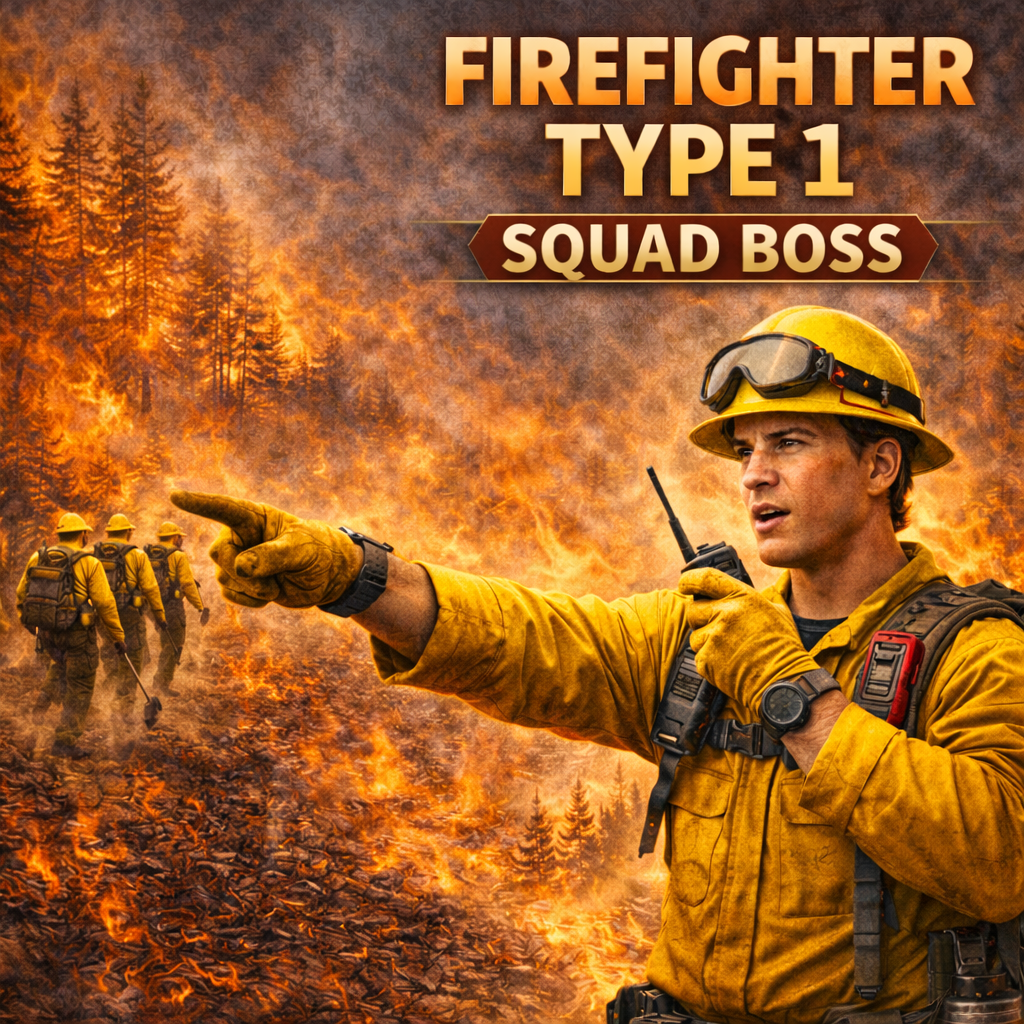
Firefighter Type 1 (FFT1 – Squad Boss)
NWCG Wildland Fire Position
Qualification Requirements
Required Training
- RT-130 – Wildland Fire Safety Training Annual Refresher (WFSTAR)
- S-131 – Firefighter Type 1
Required Experience
- Satisfactory performance as Firefighter Type 2 (FFT2)
- Completion and certification of the NWCG Position Task Book for Firefighter Type 1 (FFT1), PMS 311-14
Note: The FFT1 and Incident Commander Type 5 (ICT5) Position Task Books are combined. The positions themselves are not combined. FFT1 tasks are completed once; additional tasks are required to qualify as ICT5. Tasks for FFT1 and ICT5 may be completed simultaneously. Required experience remains satisfactory performance as FFT2.
Physical Fitness Level
- Arduous
Duties require above-average endurance and superior conditioning, including lifting over 50 pounds and sustained work under adverse environmental conditions.
Currency Relationships
Positions That Maintain Currency for FFT1
- Division/Group Supervisor (DIVS)
- Incident Commander (ICT5, ICT4, ICT3)
- Operations Section Chief Type 3 – Wildland Fire (OPS3)
- Prescribed Fire Burn Boss (RXB1, RXB2)
- Single Resource Boss (CRWB, FIRB, ENGB, FELB, HMGB, HEQB)
- Strike Team Leader (STCR, STEN, STEQ)
- Structure Protection Specialist (STPS)
- Task Force Leader (TFLD)
Positions Maintained by FFT1
- Firefighter Type 2 (FFT2)
- Incident Commander Type 5 (ICT5)
- Staging Area Manager (STAM)
Recommended Supporting Training
- S-219 – Firing Operations
- S-211 – Portable Pumps and Water Use
- S-212 – Wildland Fire Chain Saws
FIREFIGHTER TYPE 1 (FFT1)
The Firefighter Type 1 Task Book documents advanced wildland fire leadership skills, required experience, and performance standards needed to qualify as a Firefighter Type 1 under NWCG, supporting progression to crew leadership roles.
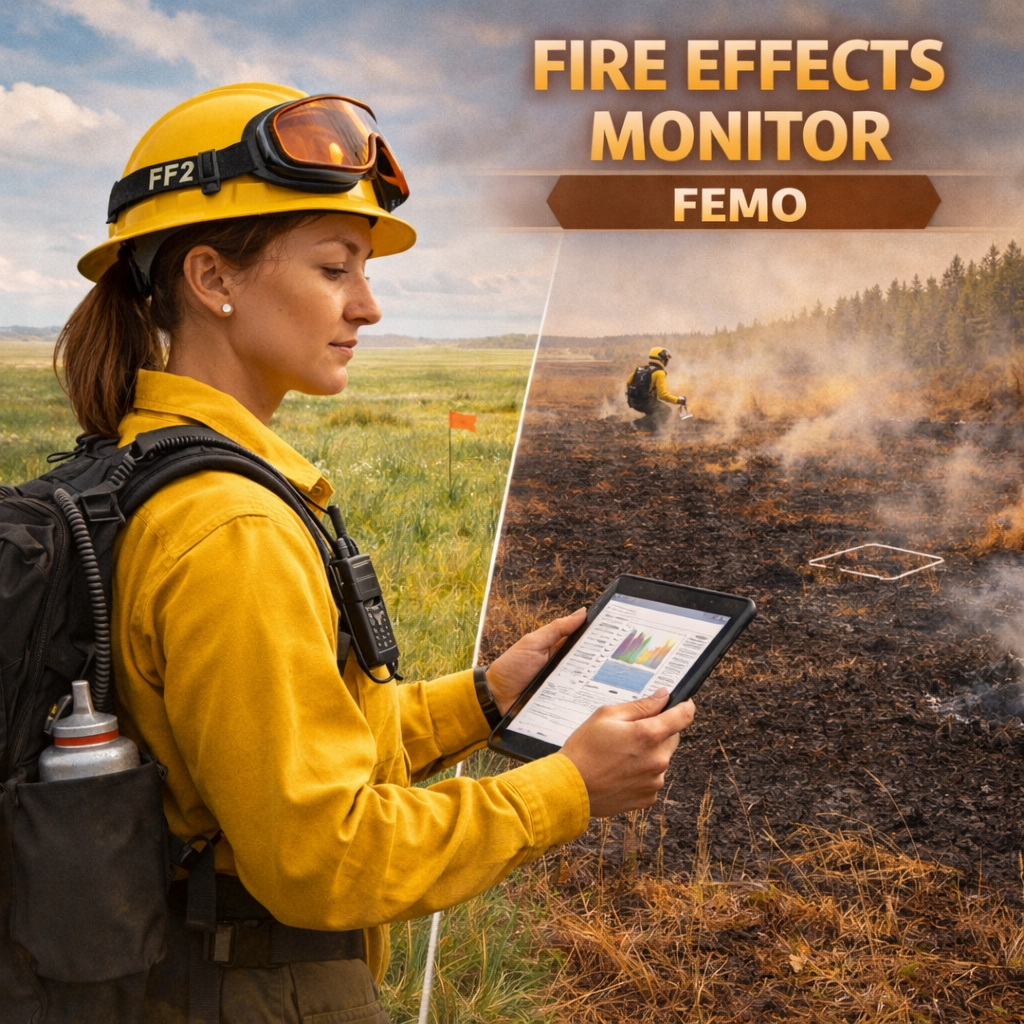
Fire Effects Monitor (FEMO)
Qualification Requirements
Required Training
- RT-130 – Wildland Fire Safety Training Annual Refresher (WFSTAR)
- S-290 – Intermediate Wildland Fire Behavior
Required Experience
- Satisfactory performance as Firefighter Type 2 (FFT2)
- Completion and certification of the NWCG Fire Effects Monitor (FEMO) Position Task Book, PMS 311-30
Physical Fitness Level
- Moderate
Duties require full control of physical faculties and may include extended walking over uneven terrain, standing for long periods, lifting 25–50 pounds, and occasional moderately strenuous activity. Individuals typically set their own work pace.
Currency Relationships
Positions That Maintain Currency for FEMO
- Field Observer (FOBS)
- Fire Behavior Analyst (FBAN)
- Long-Term Fire Analyst (LTAN)
Positions Maintained by FEMO
- Field Observer (FOBS)
- Firefighter Type 2 (FFT2)
Recommended Supporting Training
- S-244 – Field Observer
- RX-310 – Introduction to Fire Effects
FIRE EFFECTS MONITOR (FEMO)
The Fire Effects Monitor Task Book documents skills, experience, and performance standards required to qualify as a Fire Effects Monitor under NWCG, supporting monitoring, data collection, and evaluation during prescribed and wildland fires.
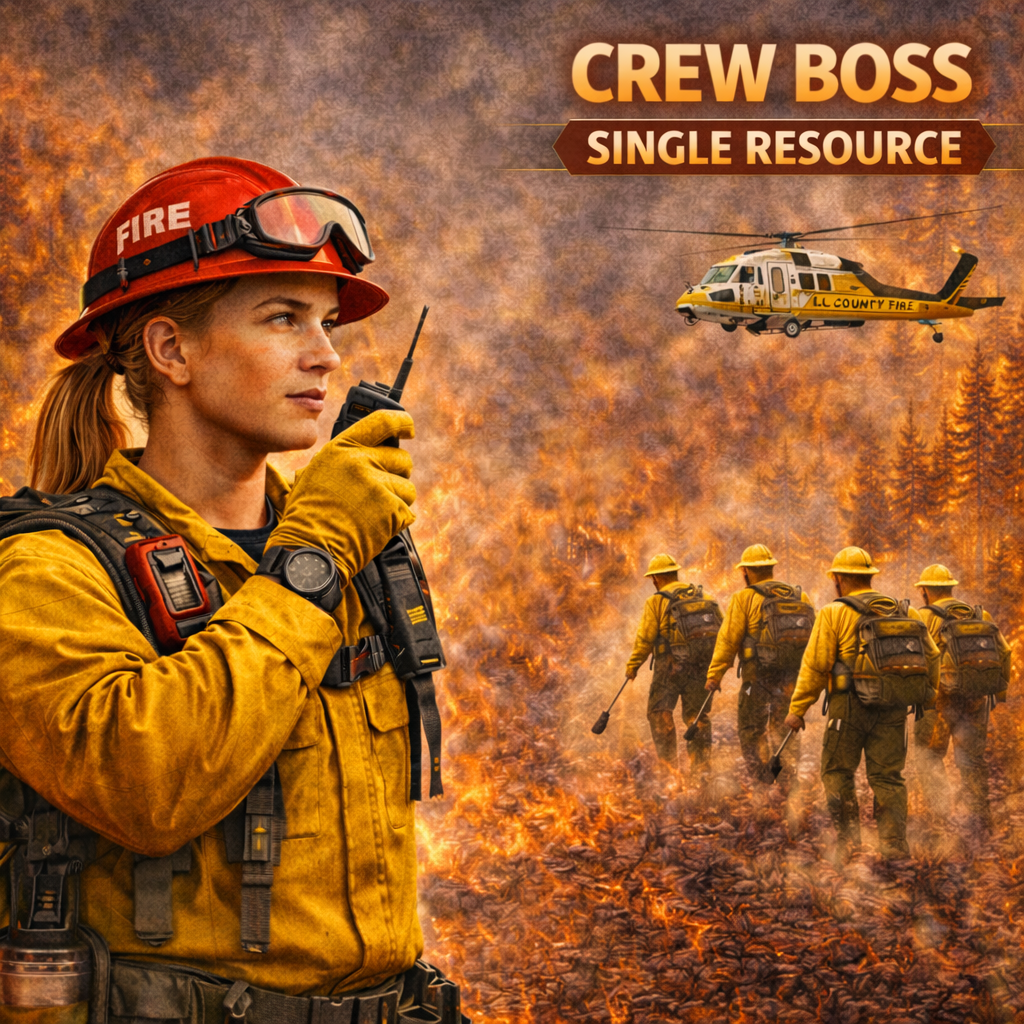
Crew Boss, Single Resource (CRWB)
Qualification Requirements
Required Training
- ICS-200 – ICS for Single Resources and Initial Action Incidents
- RT-130 – Wildland Fire Safety Training Annual Refresher (WFSTAR)
- S-230 – Crew Boss (Single Resource)
- S-290 – Intermediate Wildland Fire Behavior
Required Experience
- Satisfactory performance as Firefighter Type 1 (FFT1)
- Completion and certification of the NWCG Position Task Book for Crew Boss, Single Resource (CRWB), PMS 311-98
Physical Fitness Level
- Arduous
Duties require above-average endurance and superior conditioning, including lifting over 50 pounds and sustained work under adverse environmental conditions.
Currency Relationships
Positions That Maintain Currency for CRWB
- Crew Representative (CREP)
- Division/Group Supervisor (DIVS)
- Incident Commander (ICT4, ICT3)
- Operations Section Chief Type 3 – Wildland Fire (OPS3)
- Prescribed Fire Burn Boss (RXB1, RXB2)
- Safety Officer (SOF3, SOFF)
- Single Resource Boss (ENGB, FELB, FIRB, HMGB, HEQB)
- Strike Team Leader – Crew (STCR)
- Task Force Leader (TFLD)
Positions Maintained by CRWB
- Crew Representative (CREP)
- Field Observer (FOBS)
- Firefighter Type 1 (FFT1)
- Firefighter Type 2 (FFT2)
- Incident Commander (ICT5, ICT4)
- Single Resource Boss (ENGB, FELB, FIRB, HEQB)
- Strike Team Leader – Crew (STCR)
Recommended Supporting Training
- S-270 – Basic Air Operations
- S-219 – Firing Operations
- L-280 – Followership to Leadership
- S-260 – Interagency Incident Business Management
CREW BOSS (CRWB)
The Crew Boss Task Book documents leadership, supervision, and operational skills required to qualify as an NWCG Crew Boss, preparing firefighters to safely lead hand crews during wildland and prescribed fire operations.
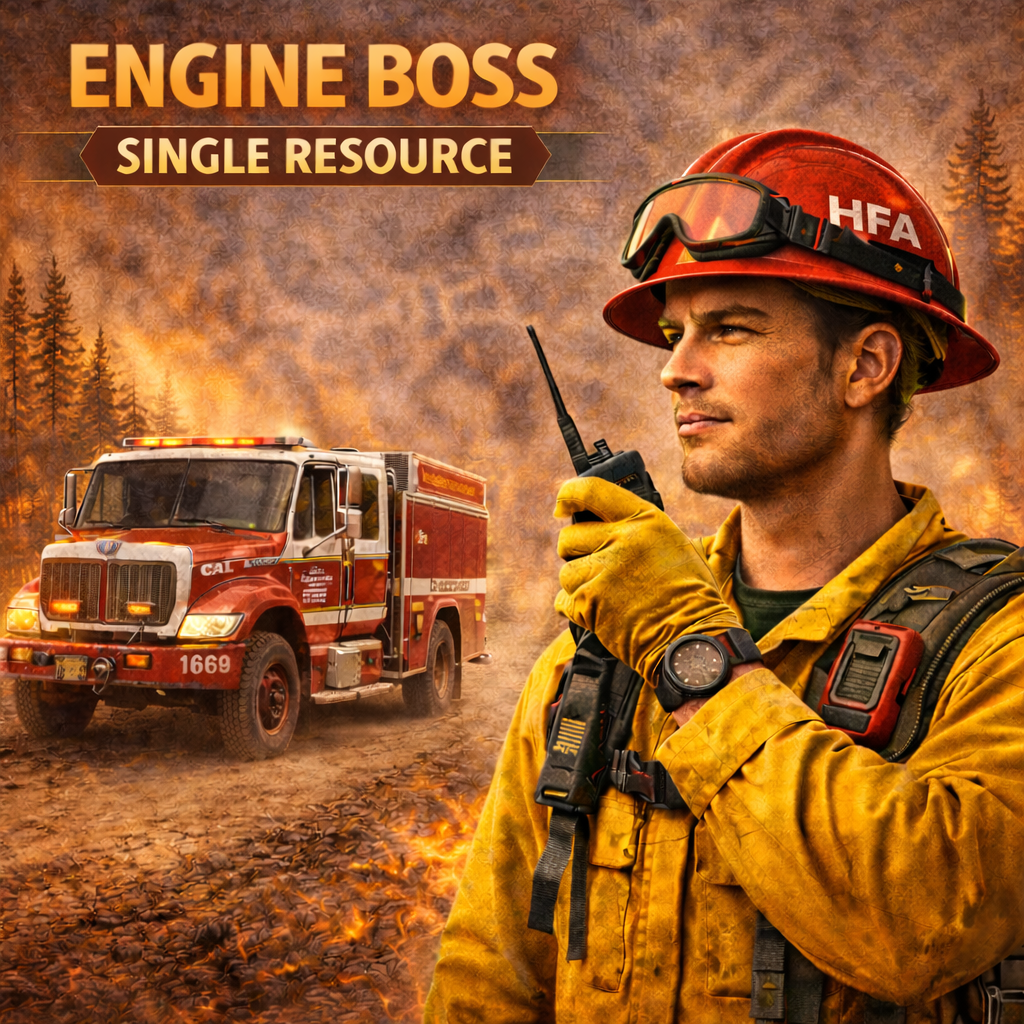
Engine Boss, Single Resource (ENGB)
Qualification Requirements
Required Training
- ICS-200 – ICS for Single Resources and Initial Action Incidents
- RT-130 – Wildland Fire Safety Training Annual Refresher (WFSTAR)
- S-230 – Crew Boss (Single Resource)
- S-290 – Intermediate Wildland Fire Behavior
Required Experience
- Satisfactory performance as Firefighter Type 1 (FFT1)
- Completion and certification of the NWCG Engine Boss, Single Resource (ENGB) Position Task Book, PMS 311-13
Physical Fitness Level
- Arduous
Duties require above-average endurance and superior conditioning, including lifting over 50 pounds and sustained work under adverse environmental conditions.
Currency Relationships
Positions That Maintain Currency for ENGB
- Division/Group Supervisor (DIVS)
- Incident Commander (ICT4, ICT3)
- Operations Section Chief Type 3 – Wildland Fire (OPS3)
- Prescribed Fire Burn Boss (RXB1, RXB2)
- Safety Officer (SOF3, SOFF)
- Single Resource Boss (CRWB, FELB, FIRB, HMGB, HEQB)
- Strike Team Leader – Engine (STEN)
- Task Force Leader (TFLD)
Positions Maintained by ENGB
- Field Observer (FOBS)
- Firefighter Type 1 (FFT1)
- Firefighter Type 2 (FFT2)
- Incident Commander (ICT5, ICT4)
- Single Resource Boss (CRWB, FELB, FIRB, HEQB)
- Strike Team Leader – Engine (STEN)
Recommended Supporting Training
- S-270 – Basic Air Operations
- S-231 – Engine Boss (Single Resource)
- S-219 – Firing Operations
- L-280 – Followership to Leadership
- S-260 – Interagency Incident Business Management
ENGINE BOSS (ENGB)
The Engine Boss Task Book documents leadership, operational skills, and experience required to qualify as an NWCG Engine Boss, ensuring safe engine operations, crew supervision, and effective incident management on wildland fires.
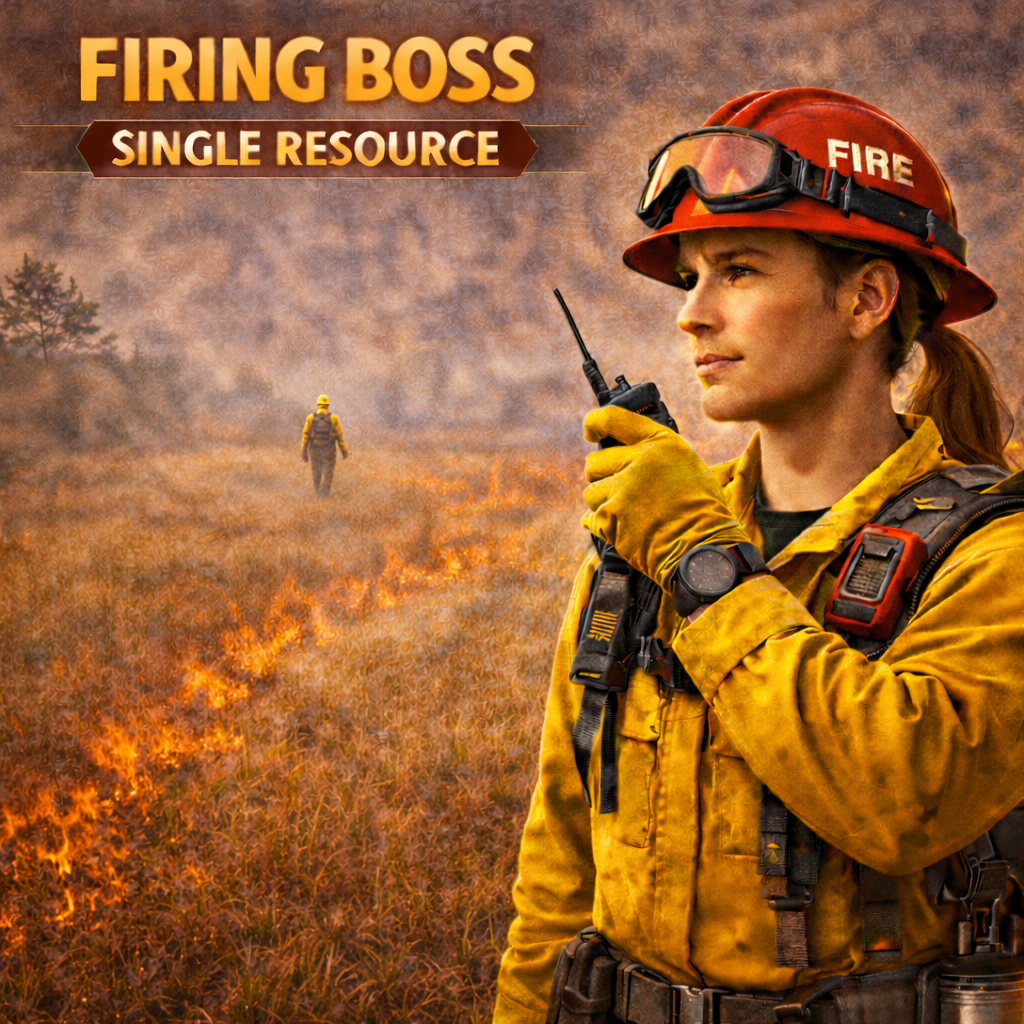
Firing Boss, Single Resource (FIRB)
Qualification Requirements
Required Training
- ICS-200 – ICS for Single Resources and Initial Action Incidents
- RT-130 – Wildland Fire Safety Training Annual Refresher (WFSTAR)
- S-230 – Crew Boss (Single Resource)
- S-290 – Intermediate Wildland Fire Behavior
Required Experience
- Satisfactory performance as Firefighter Type 1 (FFT1)
- Completion and certification of the NWCG Position Task Book for Firing Boss, Single Resource (FIRB), PMS 311-105
Physical Fitness Level
- Moderate
Duties require full control of physical faculties and may include extended walking over uneven terrain, standing for long periods, lifting 25–50 pounds, and occasional moderately strenuous activity. Individuals typically set their own work pace.
Currency Relationships
Positions That Maintain Currency for FIRB
- Division/Group Supervisor (DIVS)
- Incident Commander (ICT4, ICT3)
- Operations Section Chief Type 3 – Wildland Fire (OPS3)
- Prescribed Fire Burn Boss (RXB1, RXB2)
- Safety Officer (SOF3, SOFF)
- Single Resource Boss (CRWB, FELB, ENGB, HMGB, HEQB)
- Task Force Leader (TFLD)
Positions Maintained by FIRB
- Firefighter Type 1 (FFT1)
- Firefighter Type 2 (FFT2)
- Field Observer (FOBS)
- Incident Commander Type 4 (ICT4)
- Single Resource Boss (CRWB, FELB, ENGB, HEQB)
Recommended Supporting Training
- S-270 – Basic Air Operations
- S-219 – Firing Operations
- L-280 – Followership to Leadership
- S-260 – Interagency Incident Business Management
FIRING BOSS (FIRB)
The Firing Boss Task Book documents advanced firing operations skills, leadership, and experience required to qualify as an NWCG Firing Boss, ensuring safe ignition, holding coordination, and effective prescribed and wildland fire implementation.
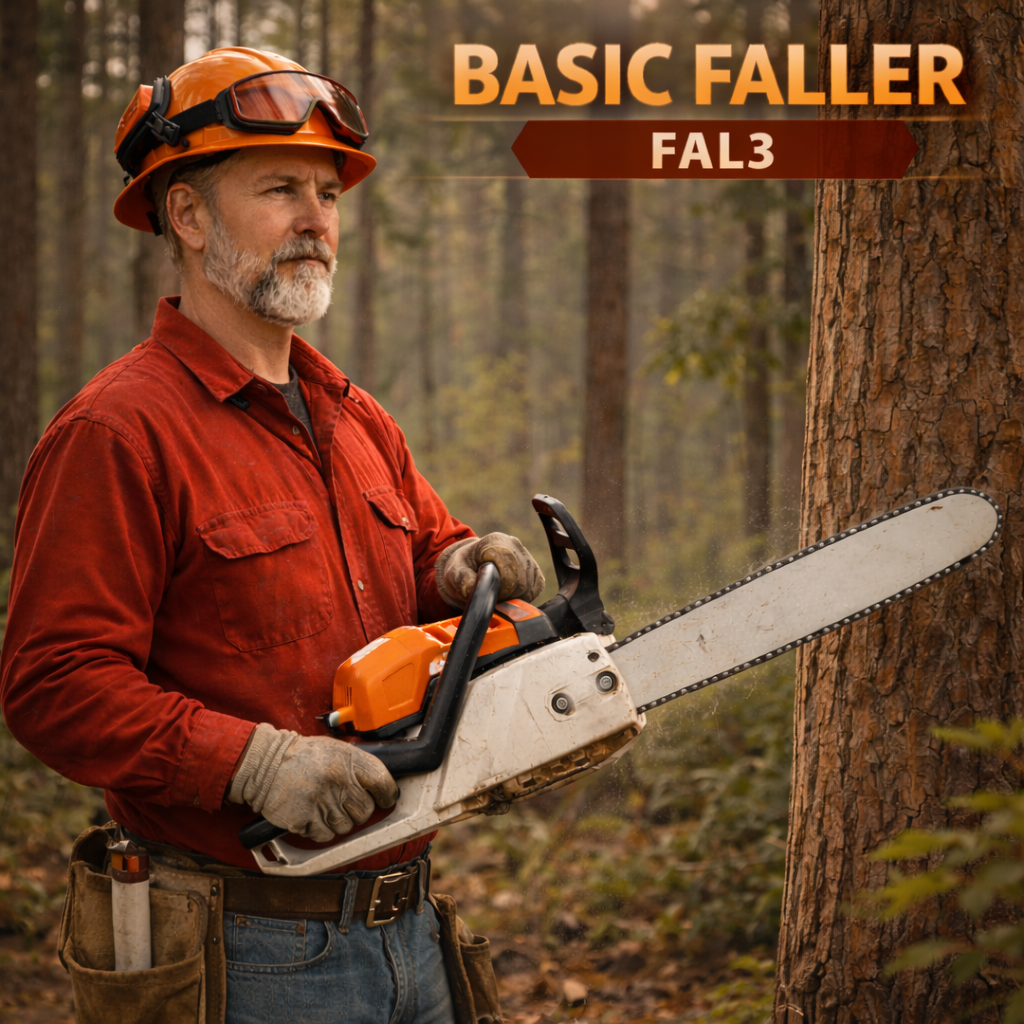
Basic Faller (FAL3)
NWCG Wildland Fire Position Qualification Flowchart – PMS 310-1
Qualification Requirements
Required Training
- RT-130 – Wildland Fire Safety Training Annual Refresher (WFSTAR)
- S-212 – Wildland Fire Chain Saws
Required Experience
- Satisfactory performance as Firefighter Type 2 (FFT2)
- Completion and certification of the NWCG Position Task Book for Basic Faller (FAL3), PMS 311-119*
* Use of the approved NWCG Position Task Book is strongly encouraged. Agency-specific evaluation processes may be used if they meet or exceed the standards identified in the associated task book.
Physical Fitness Level
- Arduous
Duties require above-average endurance and superior conditioning. Work may involve strenuous activity under adverse environmental conditions for extended periods, including lifting over 50 pounds.
Currency Relationships
Positions That Maintain Currency for FAL3
- Advanced Faller (FAL1)
- Intermediate Faller (FAL2)
Positions Maintained by FAL3
- Firefighter Type 2 (FFT2)
Recommended Supporting Training
- S-131 – Firefighter Type 1
- S-219 – Firing Operations
- S-211 – Portable Pumps and Water Use
BASIC FALLER (FAL3)
The Basic Faller Task Book documents chainsaw skills, safety practices, and performance standards required to qualify as an NWCG Basic Faller, supporting safe tree felling operations on wildland and prescribed fires.

Intermediate Faller (FAL2)
Qualification Requirements
Required Training
- RT-130 – Wildland Fire Safety Training Annual Refresher (WFSTAR)
Required Experience
- Satisfactory performance as Basic Faller (FAL3)
- Completion and certification of the NWCG Intermediate Faller (FAL2) Position Task Book, PMS 311-91*
* Use of the approved NWCG Position Task Book is strongly encouraged. Agency-specific evaluation processes may be used if they meet or exceed the standards identified in the associated task book.
Physical Fitness Level
- Arduous
Duties require above-average endurance and superior conditioning, including lifting over 50 pounds and sustained work under adverse environmental conditions.
Currency Relationships
Positions That Maintain Currency for FAL2
- Advanced Faller (FAL1)
Positions Maintained by FAL2
- Basic Faller (FAL3)
- Firefighter Type 2 (FFT2)
Recommended Supporting Training
- M-410 – Facilitative Instructor
- S-131 – Firefighter Type 1
- S-219 – Firing Operations
- S-211 – Portable Pumps and Water Use
INTERMEDIATE FALLER (FAL2)
The Intermediate Faller Task Book documents advanced chainsaw skills, hazard assessment, and performance standards required to qualify as an NWCG Intermediate Faller, supporting safe, complex tree felling operations on wildland and prescribed fires.
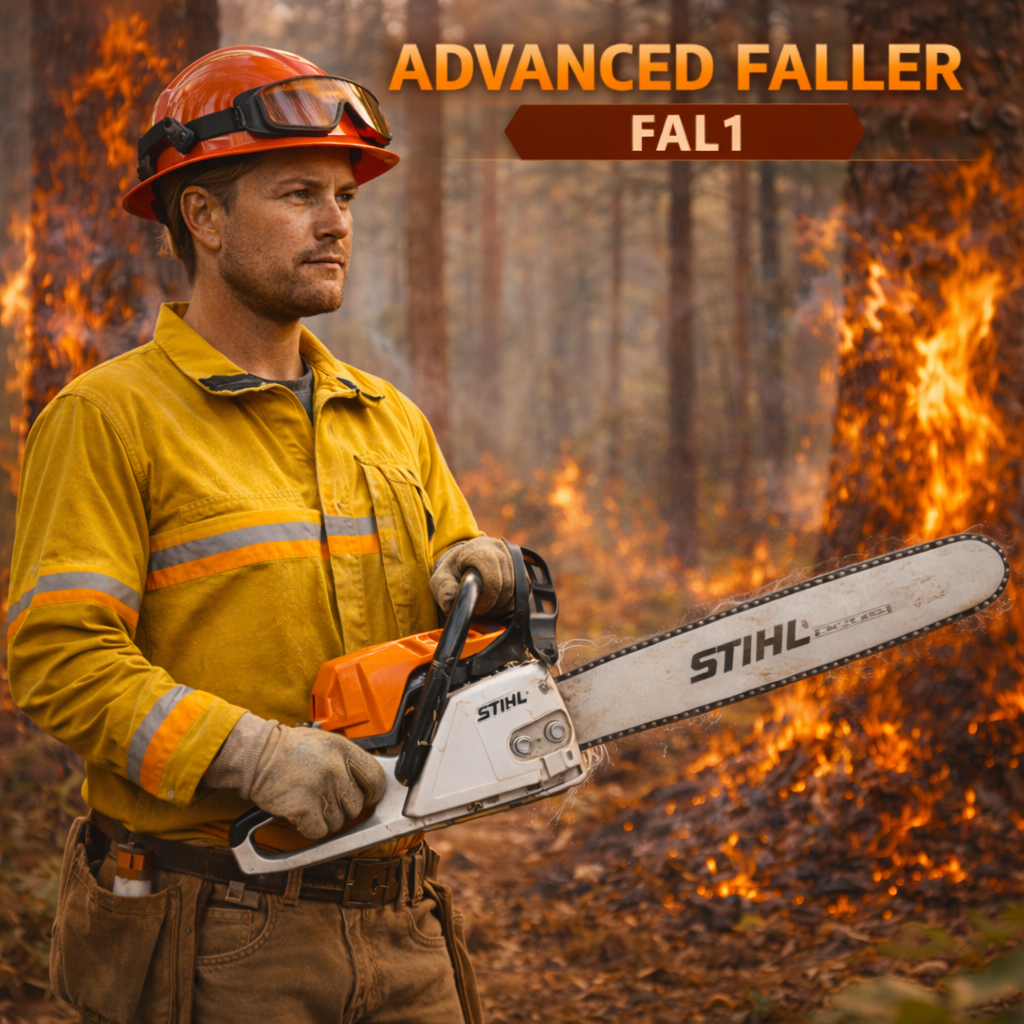
Advanced Faller (FAL1)
Qualification Requirements
Required Training
- RT-130 – Wildland Fire Safety Training Annual Refresher (WFSTAR)
Required Experience
- Satisfactory performance as Intermediate Faller (FAL2)
- Completion and certification of the NWCG Advanced Faller (FAL1) Position Task Book, PMS 311-91*
* Use of the approved NWCG combined Position Task Book is strongly encouraged. Agency-specific evaluation processes may be used if they meet or exceed the standards identified in the associated task book.
Physical Fitness Level
- Arduous
Duties require above-average endurance and superior conditioning, including lifting over 50 pounds and sustained work under adverse environmental conditions.
Currency Relationships
Positions That Maintain Currency for FAL1
- None
Positions Maintained by FAL1
- Basic Faller (FAL3)
- Intermediate Faller (FAL2)
- Firefighter Type 2 (FFT2)
Recommended Supporting Training
- M-410 – Facilitative Instructor
- S-131 – Firefighter Type 1
- S-219 – Firing Operations
- S-211 – Portable Pumps and Water Use
- S-212 – Wildland Fire Chain Saws
ADVANCED FALLER (FAL1)
.The Advanced Faller Task Book documents expert chainsaw skills, complex hazard mitigation, and performance standards required to qualify as an NWCG Advanced Faller, supporting safe, high-risk tree felling operations on wildland and prescribed fires.
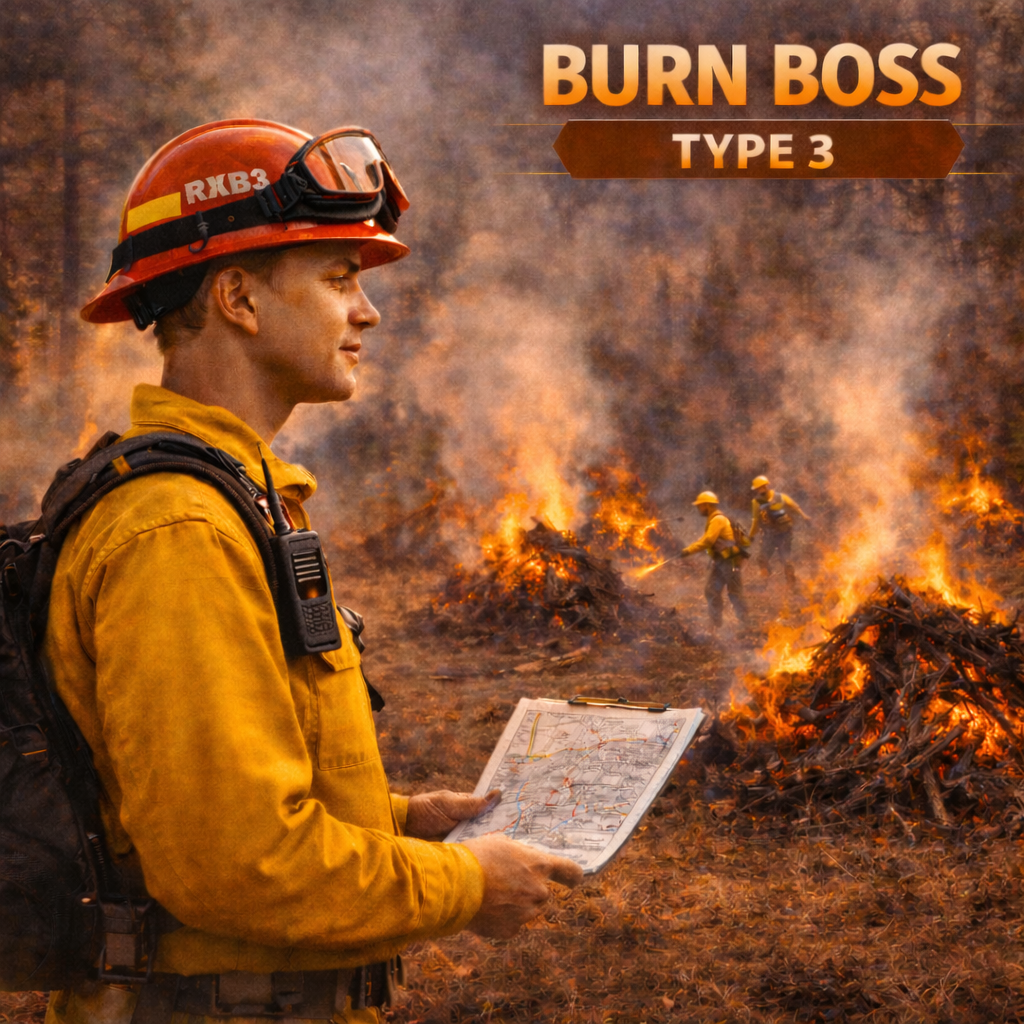
BURN BOSS TYPE 3 (RXB3)
The Burn Boss Type 3 Task Book documents leadership, planning, and operational competencies required to qualify as an NWCG Burn Boss Type 3, supporting safe, compliant implementation of small to moderate prescribed fire projects.
Advanced Faller (FAL1)
Qualification Requirements
Required Training
- RT-130 – Wildland Fire Safety Training Annual Refresher (WFSTAR)
Required Experience
- Satisfactory performance as Intermediate Faller (FAL2)
- Completion and certification of the NWCG Advanced Faller (FAL1) Position Task Book, PMS 311-91*
* Use of the approved NWCG combined Position Task Book is strongly encouraged. Agency-specific evaluation processes may be used if they meet or exceed the standards identified in the associated task book.
Physical Fitness Level
- Arduous
Duties require above-average endurance and superior conditioning, including lifting over 50 pounds and sustained work under adverse environmental conditions.
Currency Relationships
Positions That Maintain Currency for FAL1
- None
Positions Maintained by FAL1
- Basic Faller (FAL3)
- Intermediate Faller (FAL2)
- Firefighter Type 2 (FFT2)
Recommended Supporting Training
- M-410 – Facilitative Instructor
- S-131 – Firefighter Type 1
- S-219 – Firing Operations
- S-211 – Portable Pumps and Water Use
- S-212 – Wildland Fire Chain Saws
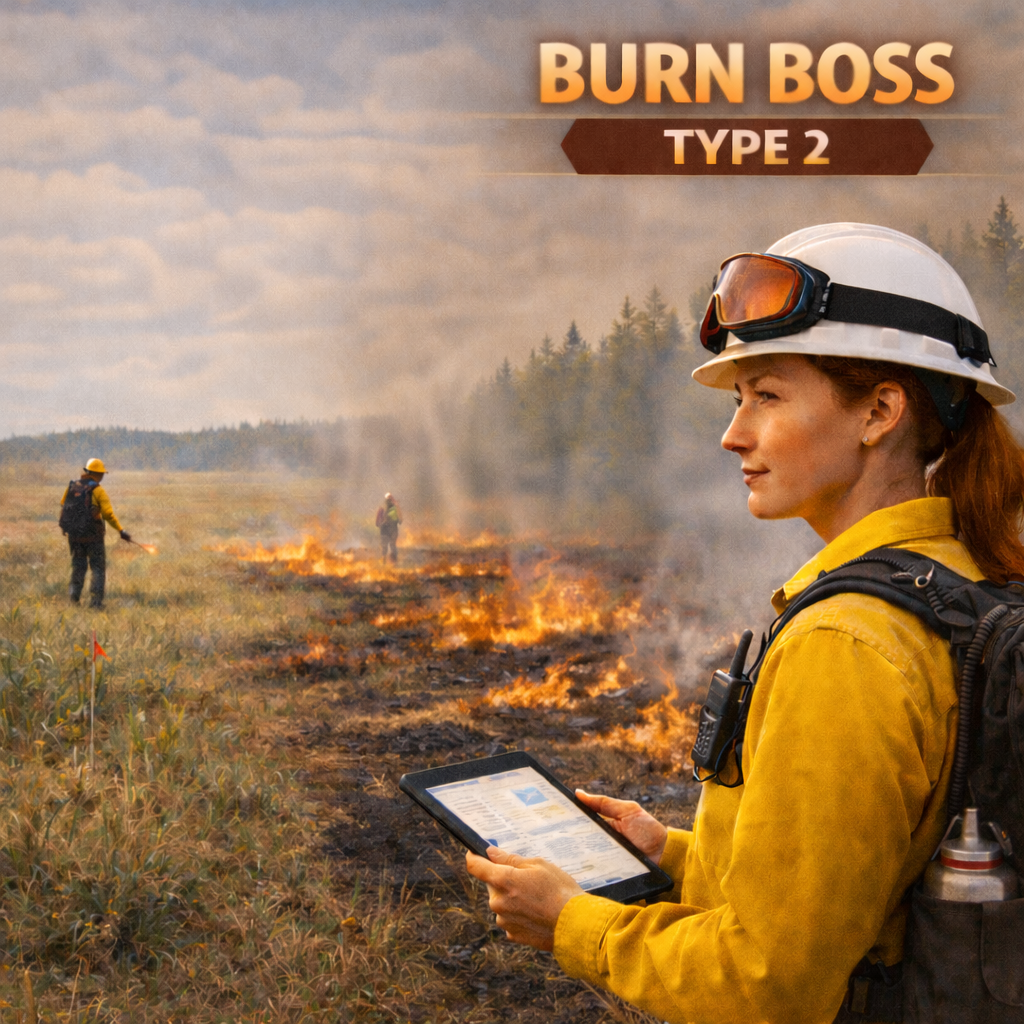
BURN BOSS TYPE 2 (RXB2)
The Burn Boss Type 2 Task Book documents advanced leadership, planning, and operational competencies required to qualify as an NWCG Burn Boss Type 2, supporting safe implementation of complex, large-scale prescribed fire operations.
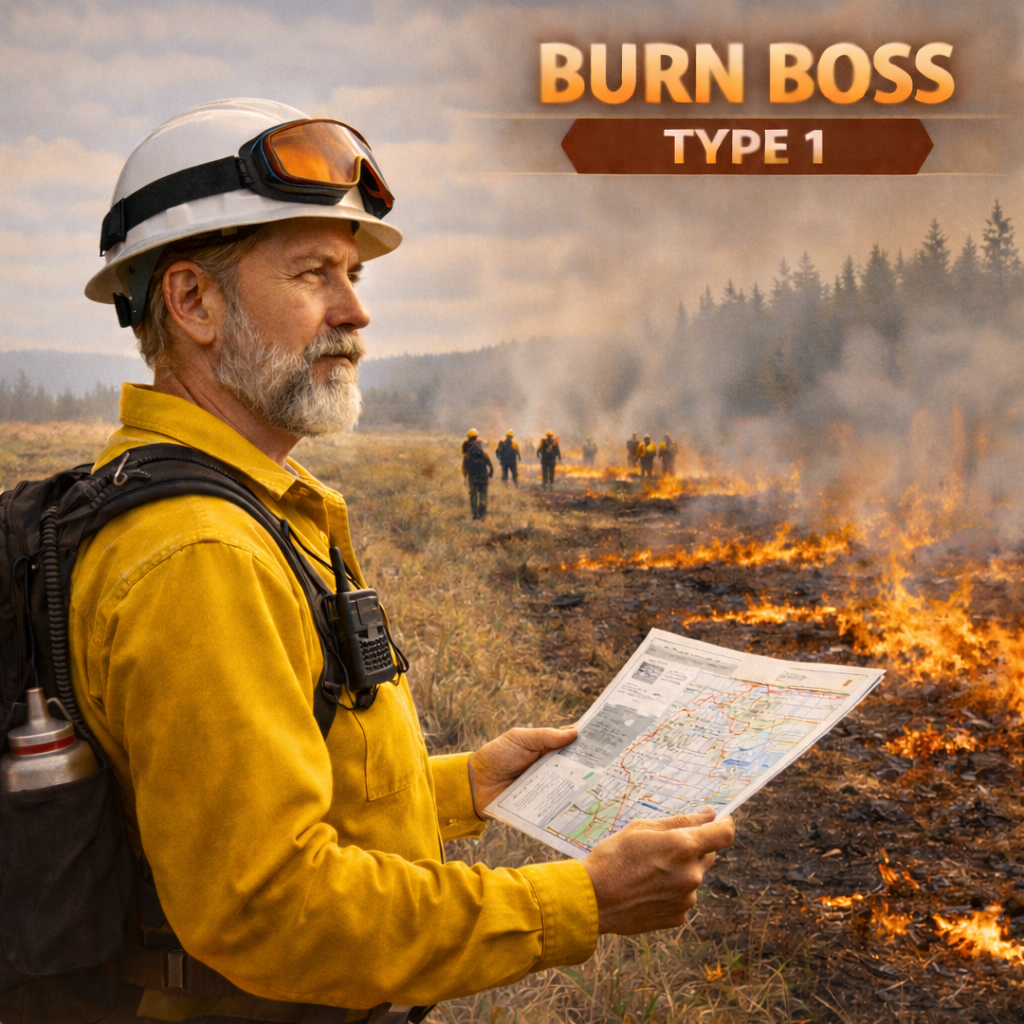
BURN BOSS TYPE 1 (RXB1)
The Burn Boss Type 1 Task Book documents expert-level leadership, planning, and operational competencies required to qualify as an NWCG Burn Boss Type 1, supporting safe execution of the most complex prescribed fire operations.

LEARN MORE ABOUT PRESCRIBED FIRE AND HOW IT CAN BE USED TO PROMOTE HEALTHY FORESTS
FROM OUR BLOG
🔥 Small Teams, Big Impact: The Rise of Micro Prescribed Burn Associations Across California,...
“So You’ve Masticated Your Land for Fire Safety… Now What?” Across California, thousands of...
🔥 The Do’s and Don’ts of Pile Burning for Property Owners in California When used correctly, pile...
Please Support Our Corporate Members